Mastering B2B Lead Generation with AI: Proven Strategies for 2026
 |
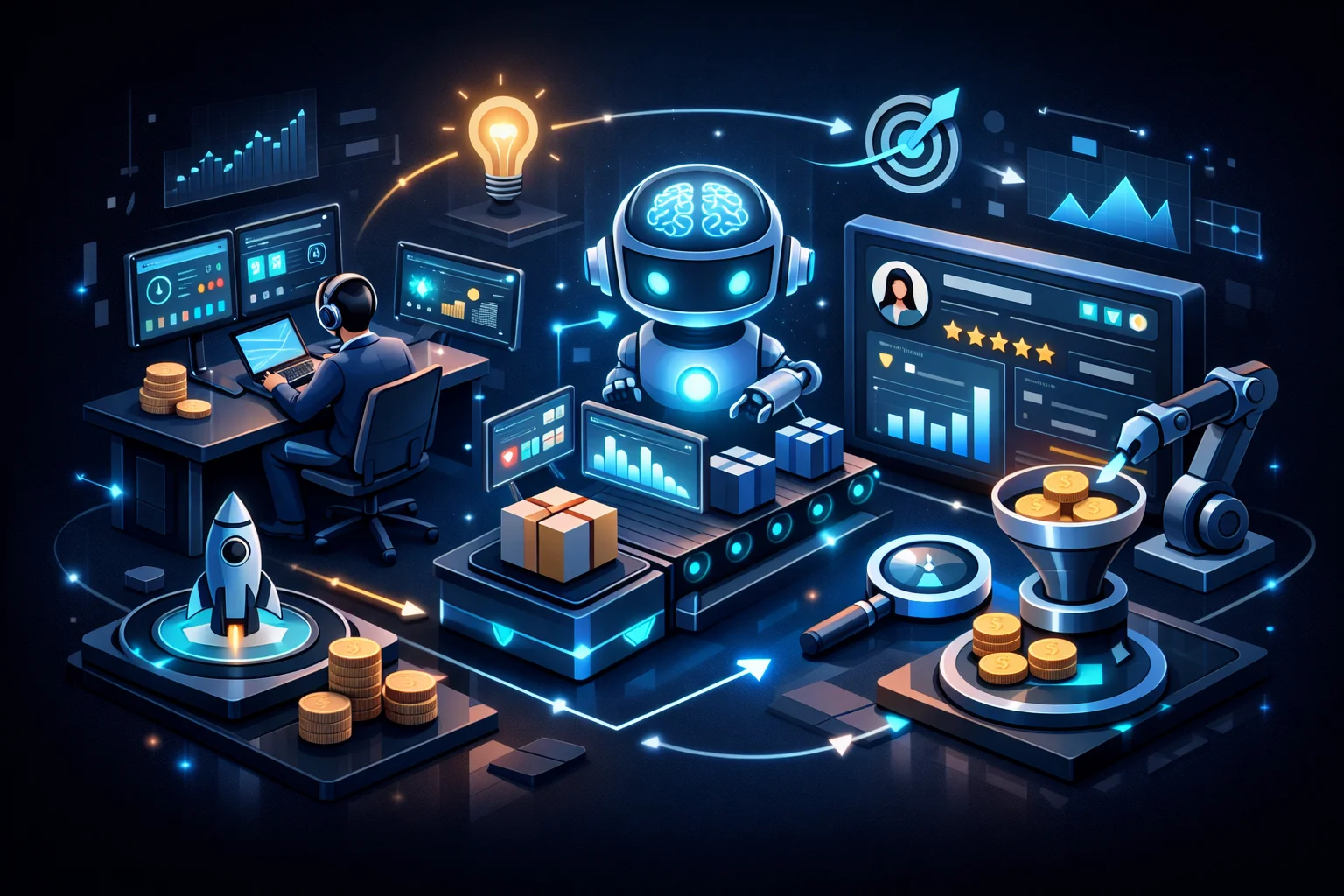
| AI-driven B2B lead generation workflow for modern revenue teams in 2026. |
The B2B lead generation landscape has undergone a seismic shift. The days of mass-blast email outreach, generic LinkedIn connection sequences, and basic gated PDF whitepapers are officially over. In 2026, B2B buyers demand hyper-relevance, immediate value, and frictionless digital experiences. To capture their attention, modern revenue teams have transitioned from basic automation to advanced, multi-agent AI ecosystems.
Whether you are a seasoned Chief Revenue Officer (CRO), a demand generation manager, or a B2B startup founder, mastering AI-driven lead generation is no longer a competitive edge—it is a baseline requirement for survival. This comprehensive guide details the exact systems, paradigms, and actionable strategies you need to master B2B lead generation using AI in 2026.
The 2026 B2B Lead Gen Landscape: The Shift to Agentic AI
To understand how to generate high-quality leads today, we must first look at how the technology has evolved. Between 2023 and 2024, generative AI was largely used as a "writing assistant" to draft emails or write blog posts faster. However, this led to a massive influx of generic, AI-generated spam that flooded buyers' inboxes, forcing email providers like Google and Yahoo to implement strict spam filters.
In 2026, the paradigm is defined by Agentic AI. Instead of static templates, businesses deploy autonomous AI agents that can research targets, synthesize financial statements, identify trigger events, build custom solutions, and initiate conversations across multiple channels without human intervention—all while maintaining an authentic, human-like voice.
Traditional vs. 2026 AI-Enabled Lead Gen
| Metric / Strategy | Traditional Approach | 2026 AI-Agent Approach |
|---|---|---|
| Data Enrichment | Manual list building, static databases. | Real-time, cross-platform autonomous enrichment. |
| Personalization | "Hi [First_Name], saw you work at [Company]." | Contextual value props based on real-time pain points. |
| Search Optimization | Standard SEO for Google organic clicks. | AEO (Answer Engine Optimization) for LLMs & AI search. |
| Nurturing | Drip campaigns on static schedules. | Dynamic content generation based on intent changes. |
To build a scalable engine that consistently converts cold prospects into high-value accounts, your framework must be built on four core pillars. These pillars work synergistically to automate operations while keeping the human-to-human relationship at the center of the final sale.
1. Deep Intent Data and Predictive Scoring
In 2026, spraying and praying is commercial suicide. Leading B2B organizations rely on multi-source intent engines. Instead of relying on a single intent provider, modern AI algorithms aggregate data from multiple points:
- First-party intent: High-value website interactions, pricing page visits, product documentation searches.
- Third-party intent: Off-site content consumption, G2/Capterra comparison trends, industry publication interactions.
- Dark Social tracking: AI models that scan developer forums, communities, and Slack channels for discussions pointing toward a need for your category of solution.
This data feeds into predictive AI models that continuously update lead scores inside your CRM. When a lead crosses a custom threshold, the AI triggers an automated workflow tailored specifically to the trigger event.
2. Hyper-Personalization via Multi-Agent Systems
Basic personalization tags look incredibly lazy to modern buyers. In contrast, 2026 AI systems leverage multi-agent frameworks where different specialized models perform targeted research before any outreach is compiled:
- The Research Agent: Extracts information from a prospect’s LinkedIn posts, the company’s Q3 earning reports, active job openings, and technology stacks.
- The Strategy Agent: Analyzes the research to map the prospect's pain points directly to your product’s value propositions.
- The Copywriter Agent: Drafts a highly contextual email, custom landing page, or personalized Loom-style video script that addresses those specific pain points.
3. Conversational AI and On-Site Synthesis
Static contact forms are friction-heavy drop-off points. In 2026, dynamic conversational agents have evolved far beyond basic "choose your own adventure" chatbots. Today’s on-site AI agents use Large Language Models (LLMs) trained specifically on your product manuals, case studies, and pricing models to carry out natural, consultative sales conversations.
These agents can qualify a prospect, verify budget constraints, query CRM data in real time, and instantly book a meeting with the appropriate Account Executive (AE) directly in the chat window, minimizing speed-to-lead times to under 15 seconds.
Proven B2B Lead Gen Strategies for 2026
Ready to implement? Here are the most effective, battle-tested tactical frameworks that forward-thinking B2B companies are using to dominate their markets this year.
Strategy 1: Autonomous Account-Based Marketing (ABM) Scale-Up
Historically, executing a true ABM strategy was incredibly resource-intensive, limiting most companies to targeting 50 to 100 accounts annually. AI-driven orchestration allows you to run high-touch ABM campaigns for thousands of accounts simultaneously.
How to execute:
- Connect an AI tool (like Clay or Apollo) to your ICP (Ideal Customer Profile) criteria.
- Configure the system to scrape real-time triggers, such as when a target account hires a new VP of Sales or registers a drop in website traffic.
- Auto-generate customized programmatic ad creative and hyper-specific landing pages tailored to the target account's technology stack and vertical.
- Deploy autonomous email sequences that reference these landing pages and trigger events, maintaining a highly relevant and non-intrusive approach.
Strategy 2: Answer Engine Optimization (AEO) for B2B Discovery
B2B buyers are increasingly bypassing traditional search engines. Instead, they ask conversational AI interfaces (such as Perplexity, ChatGPT Search, Gemini, and Claude) for recommendations: "What are the best enterprise-grade SOC-2 compliance tools for SaaS startups?"
To ensure your brand is cited as a top recommendation, you must optimize for these engines. This means transitioning your content strategy from keyword stuffing to authority-focused, structured content. Focus on publishing deep-dive comparison pages, proprietary data reports, and clear, structured FAQ sections that LLMs can easily parse and index.
Strategy 3: AI-Generated Personalized Video Prospecting
An email can be easily ignored; a personalized, dynamic video is much harder to overlook. Modern generative video models (such as Tavus, HeyGen, or Gan.ai) allow sales reps to record a single master video template, which the AI then alters to dynamically generate custom videos for hundreds of individual prospects.
The AI reads the prospect's name, dynamically displays their company website in the background, references their logo, and addresses their specific pain point. This high-touch, automated video asset feels incredibly personal to the recipient, resulting in up to 3x higher click-through rates compared to traditional text emails.
Strategy 4: AI Voice Agents for Outbound and Inbound Triage
Cold calling is undergoing an evolution. Modern AI voice agents (powered by ultra-low-latency models like Retell AI or Bland AI) sound indistinguishable from humans, complete with natural breaths, pauses, and contextually appropriate humor.
These agents are highly effective for rapid inbound triage. For example, if a prospect downloads a whitepaper, an AI voice agent can call them within 60 seconds to qualify their intent, address initial questions, and seamlessly transfer them to a live human representative if they meet your qualifications.
Building the Ultimate 2026 AI Lead Gen Tech Stack
To operationalize these strategies, you need a cohesive tech stack that shares data seamlessly across platforms. Here is how you should structure your marketing stack:
-
Data & Enrichment Layer:Use tools like Clay, Apollo.io, and 6sense to source high-accuracy contact data and synthesize intent signals.
-
Outbound Orchestration Layer:Leverage platforms like Smartlead, Instantly, or HubSpot Breeze to run automated warm-ups and manage high-volume, contextual email campaigns.
-
Conversational Chat & Voice:Deploy tools such as Intercom Fin, Drift AI, or custom-built solutions using LLM APIs to handle on-site interactions.
-
CRM & Intelligence Central:Connect everything back to Salesforce Agentforce or HubSpot to keep records updated automatically and prevent data silos.
- Navigating Ethics, Privacy, and Deliverability
While AI offers unprecedented scale, it also brings significant responsibilities. Modern B2B lead generation requires strict adherence to international regulations, data privacy laws, and search engine guidelines.
Consider these key practices to protect your brand's reputation and domain health:
- Compliance is Non-Negotiable: Ensure your workflows comply with GDPR, CCPA, and the latest updates from the EU AI Act. Always provide clear, easy ways for prospects to opt out of communication.
- Protect Your Primary Domain: Never send high-volume automated outbound emails from your main corporate domain. Use secondary domains (e.g.,
getyourbrand.cominstead ofyourbrand.com) to insulate your primary workspace from deliverability penalties. - Prioritize Human-in-the-Loop (HITL): Don't leave your pipeline on complete autopilot. Assign humans to review outgoing high-tier ABM messages, check AI-generated content for accuracy, and guide complex negotiations.
- Conclusion: The Path Forward
Mastering B2B lead generation in 2026 is not about sending more volume; it is about scaling relevance. By utilizing autonomous AI agents, keeping a close eye on search engine shifts, adopting predictive intent insights, and adhering to strict deliverability guidelines, your business can build an automated, revenue-generating machine.
The future of B2B sales belongs to those who successfully pair the scalability of AI with the nuance, emotional intelligence, and relationship-building capabilities of humans. Start by identifying one bottleneck in your current pipeline—whether it is data enrichment, outreach personalization, or content curation—and let an AI agent handle it today.
Ready to Transform Your Revenue Pipeline?
Stay ahead of the curve with our weekly insights on B2B sales tech, AI implementation guides, and cutting-edge demand gen playbooks.

.png)

No comments:
Post a Comment
Please keep your comments respectful and relevant. No spam or promotional links are allowed.